Our Story
A history of courage, compassion,
and community
From a bold vision in the late 1980s to over 25 years of transforming lives — this is how Whitworth House became a beacon of hope for young women in Cambridge.
Late 1980s
Identifying the Need
Just as today, there was great pressure on the housing market in Cambridge. Young single people faced high rents and low priority for social housing. Sheila Bly, Field Secretary for the YWCA London & Southern Region, conducted local research revealing that homeless women aged 16–18 had no dedicated support. The only hostel for women in Cambridge catered for a more mature age group, meaning teenagers without a fixed abode were at acute risk of abuse, prostitution, drugs, and violence.
1989
YWCA Commitment
It was agreed the hostel should provide accommodation for young women aged 16–25 — local young people on low wages, unemployed, or leaving care. The hostel would provide a fruitful environment to help residents recover confidence and independence, with life skills support and encouragement to transition to work through education and training. In November 1989, the Board of Governors of the YWCA formally backed the Cambridge project, committing to 'build a hostel in Cambridge if at all possible.'
1993
The Fundraising Appeal
A major fundraising appeal was launched in July 1993, supported by the Lord Lieutenant, the Mayor, senior representatives of local councils, and local MPs. The target was £1.5 million — and the committee had already raised almost half from local councils, charitable trusts, companies, community groups, and private individuals. The local Mother's Union was a valuable source of help.
1998
Whitworth House Opens
After securing a large property on Chesterton Road, building work commenced and the Grand Opening took place on Friday 15th May 1998 on a lovely hot day. The project was publicly named Whitworth House, after original committee member Ann Whitworth. The Opening was attended by the Mayor, High Sheriff, Lord Lieutenant, and Ann Campbell MP. The ribbon was cut by Katrina of 'Katrina and the Waves,' fresh from winning the Eurovision Song Contest.
2000
Orwell Housing Takes Over
In April 2000, the National YWCA decided to sell all of its hostels. Anxious to protect the original aims of Whitworth House, the committee carefully evaluated all bids. The Orwell Housing Association, with an impressive record of managing supported housing projects, was chosen. Orwell acquired the house later in 2000 and continues to manage it today.
2014
The Extension
A major extension to Whitworth House was completed, supported by large donations from the Trust. This expanded capacity and improved facilities for residents, allowing more young women to find a safe place to live and rebuild their lives.
Today
Continuing the Mission
Now known as The Whitworth Trust (Charity No. 1091682), and previously named 'The Friends of Whitworth House,' the organisation continues offering financial support to residents through grants for education, training, transport, equipment, welcome packs, and wellbeing activities. Beyond the House, the Trust helps vulnerable women across Cambridge through partnerships with local organisations.
Partners & Community
Stronger together
The Trust works alongside dedicated local organisations to extend support beyond Whitworth House to all vulnerable women in Cambridge.
Jimmy's Cambridge
Front-line homelessness support
Cambridge Aid
Local charitable support
Cambridge Women's Aid
Support for women experiencing abuse
CCHP
Cambridge Churches Homelessness Project
It Takes a City
Women's Homelessness Action Group
Cambridge Soroptimists
Volunteering & cooking lessons
The Whitworth Family
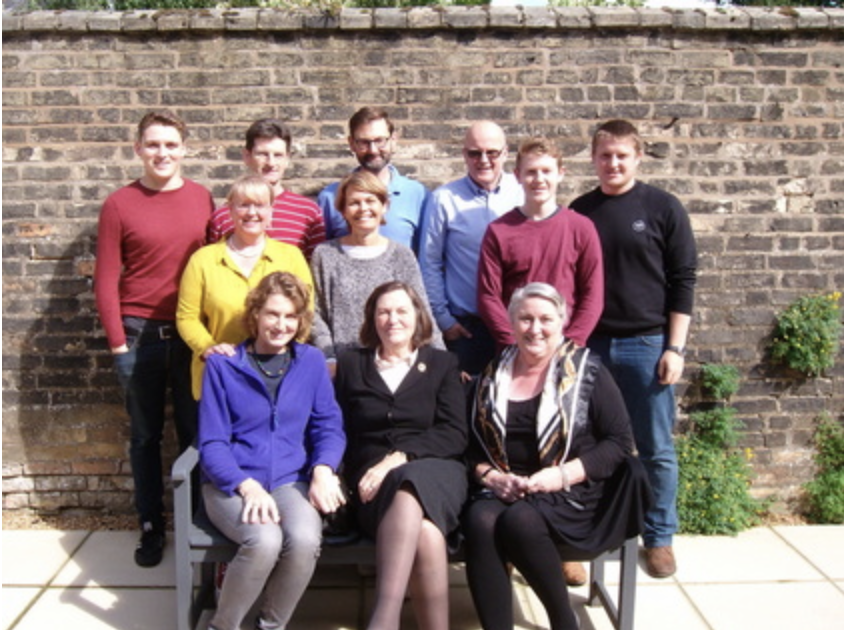
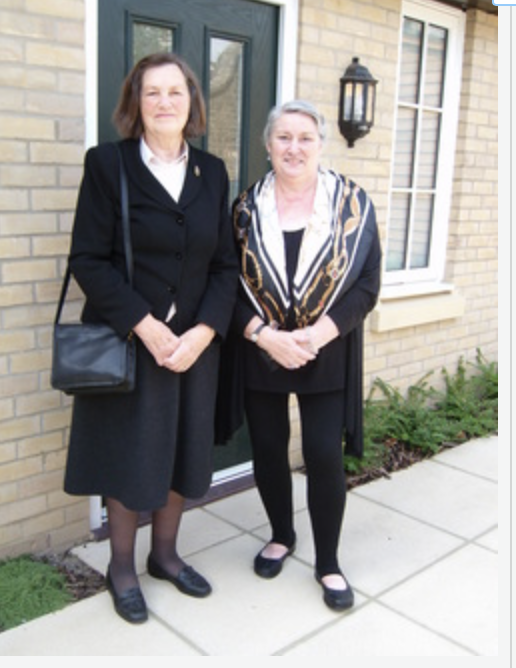
The Whitworth Family, including Ann Whitworth (front centre), after whom the House is named, and David Whitworth (back centre), who is our current President. Sarah Martin (front right) was Chair of the committee during the fundraising campaign for the extension.
Whitworth House is named after Ann Whitworth, one of the original committee members. The Whitworth family continues to be closely involved — David Whitworth serves as the Trust's current President.
It is the concern of The Whitworth Trust to help any vulnerable or homeless woman normally resident in the city and county of Cambridge who needs help finding and settling into residential accommodation.

Join us in making a difference
Every contribution helps a young woman take her next step toward safety, stability, and independence.
Support Our Work